
Roll-Off and Front Load Dumpsters Serve Different Waste Needs
Roll-off dumpsters and front load dumpsters are both used for waste collection, but they are designed for very different situations. A roll-off dumpster is typically used for temporary projects that generate a large amount of debris, while a front load dumpster is generally used for recurring commercial garbage collection.
Choosing the wrong container can lead to unnecessary costs, limited capacity, missed pickups, site access problems, or a waste service plan that does not fit the way your property operates.
This guide explains the difference between roll-off dumpster rental and front load dumpster service, including how each container works, common uses, pickup schedules, placement requirements, pricing factors, and how to choose the right option for your project or business.
The Main Difference
Roll-off dumpsters are generally temporary containers for construction, demolition, renovation, cleanout, and bulky debris projects. Front load dumpsters are generally permanent or ongoing containers used for scheduled commercial garbage and recycling collection.
Roll-Off Dumpster vs. Front Load Dumpster at a Glance
The right container depends on whether you need temporary project support or recurring commercial waste collection. The following comparison highlights the most important differences.
| Feature | Roll-Off Dumpster | Front Load Dumpster |
|---|---|---|
| Primary Use | Temporary projects, construction, demolition, renovations, cleanouts, and bulky debris | Recurring commercial garbage and recycling collection |
| Service Type | Rental for a defined project or period | Ongoing scheduled collection service |
| Common Sizes | Often 10, 20, or 30 cubic yards, depending on availability | Often smaller commercial containers designed for regular pickup |
| Loading Style | Open top with rear door access on some containers | Top lids with waste deposited from above |
| Pickup Method | Container is rolled onto and off a specialized truck | Container is lifted and emptied into a front-loading collection truck |
| Pickup Frequency | Removed or exchanged when full or when the rental ends | Collected on a recurring weekly or multiple-times-per-week schedule |
| Best For | Contractors, property cleanouts, renovations, construction sites, and temporary projects | Restaurants, offices, retail stores, warehouses, apartment properties, and commercial facilities |
What Is a Roll-Off Dumpster?
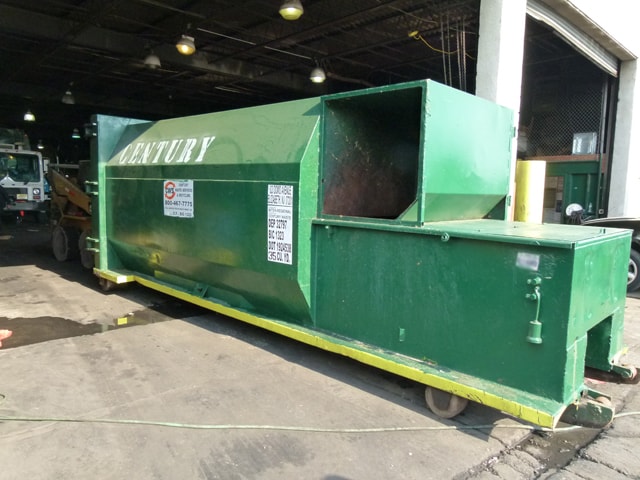
A roll-off dumpster is a large, rectangular, open-top container delivered to a property using a specialized truck. The container rolls off the back of the truck and is placed in a designated loading area.
Roll-off dumpsters are commonly used when a project will generate more debris than a standard commercial dumpster can reasonably hold. They are designed for temporary waste removal rather than routine daily garbage collection.
Many roll-off containers also include a rear door that allows workers to walk heavier or bulkier materials into the container rather than lifting everything over the side.
Common Roll-Off Dumpster Sizes
Available sizes vary by provider, location, debris type, and project requirements. Common options may include:
- 10-yard dumpsters for smaller cleanouts and limited renovation debris
- 20-yard dumpsters for mid-sized renovations, roofing, cleanouts, and construction work
- 30-yard dumpsters for larger commercial projects, demolition, and high-volume debris
Review the available roll-off dumpster rental options and discuss your debris volume, material type, and placement area before selecting a size.
When Should You Rent a Roll-Off Dumpster?
Roll-off dumpsters are best suited to projects that generate a large amount of material over a limited period. They allow contractors, property managers, businesses, and facility teams to consolidate debris before it is hauled away.
Construction Projects
Roll-off dumpsters can hold eligible wood, drywall, packaging, fixtures, and other construction debris generated during active job-site work.
Explore Construction Waste RemovalRenovations and Remodeling
Commercial and residential renovation projects may generate flooring, cabinets, drywall, fixtures, and other bulky materials that require temporary container space.
View Dumpster Rental ServicesProperty Cleanouts
Offices, warehouses, retail properties, apartment communities, and managed buildings may use roll-off containers for furniture, fixtures, and general cleanout debris.
Request Cleanout SupportDemolition Debris
Demolition projects may require one or more roll-off containers based on the structure, materials, debris volume, and project timeline.
Learn About Demolition Waste ServiceRoofing Projects
Roofing materials can be dense and heavy. The proper dumpster size and loading plan should be selected based on roofing type, square footage, and disposal requirements.
Ask About Roofing DumpstersLarge Bulk Waste Projects
A roll-off dumpster may support furniture removal, tenant turnover, facility cleanup, equipment replacement, and other one-time bulk waste needs.
Request Bulk Waste RemovalNot Every Material Belongs in a Roll-Off Dumpster
Paint, liquids, batteries, chemicals, asbestos-containing materials, regulated waste, electronics, and other specialty materials may require separate handling. Always describe your debris before the container is delivered.
What Is a Front Load Dumpster?
A front load dumpster is a commercial waste container designed for recurring garbage or recycling pickup. It is generally smaller than a roll-off dumpster and remains at the business or property as part of an ongoing service agreement.
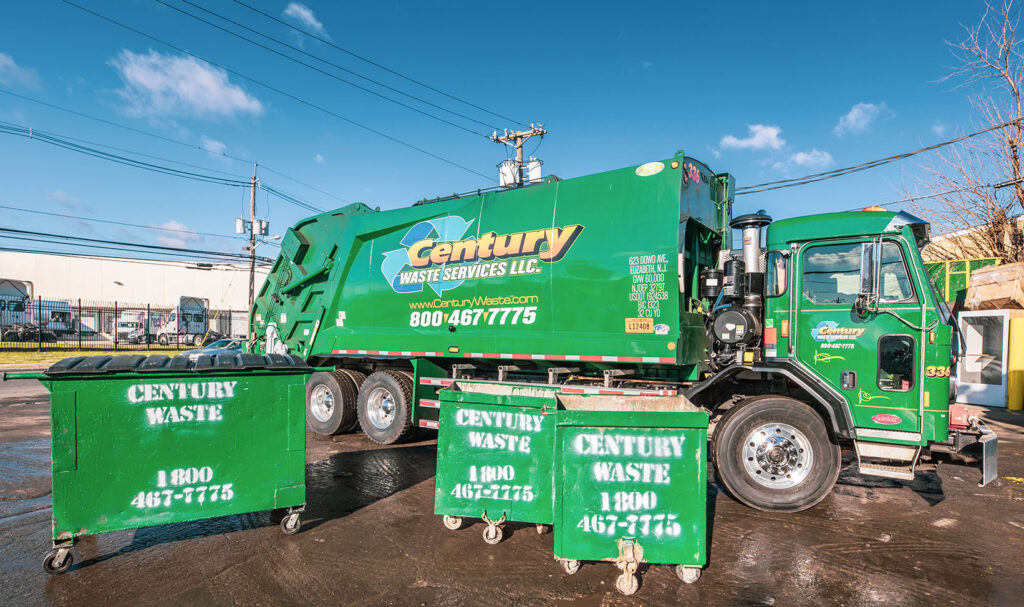
Front load containers typically have lids and pockets on each side. During collection, a front-loading garbage truck inserts its forks into the pockets, lifts the container over the cab, empties the contents into the truck, and returns the dumpster to its placement area.
These containers are commonly used by businesses that generate predictable amounts of routine waste throughout the week.
Common Front Load Dumpster Users
- Restaurants, cafés, and food-service businesses
- Office buildings and professional properties
- Retail stores and shopping centers
- Apartment communities and managed properties
- Warehouses and distribution facilities
- Hotels, schools, and institutional properties
- Manufacturing and industrial facilities
- Commercial properties with recurring garbage or recycling
Businesses can learn more about recurring commercial waste collection throughout New Jersey and New York City.
How Front Load Dumpster Service Works
Front load service is built around a recurring collection schedule rather than a temporary project deadline. The provider helps determine the container size and pickup frequency based on the amount and type of waste the property generates.
Depending on business volume and local availability, service may be scheduled weekly or multiple times per week.
Assess the Waste Stream
The provider reviews your business type, estimated waste volume, operating schedule, materials, recycling opportunities, and current service concerns.
Select the Container
Container size is chosen based on available placement space, expected volume, loading needs, and how often the dumpster will be serviced.
Set the Pickup Schedule
The collection frequency should be sufficient to prevent overflow without scheduling more pickups than the property needs.
Adjust Service When Needed
Businesses may need to change container size or pickup frequency as waste volume, occupancy, operating hours, or seasonal demand changes.
How Roll-Off and Front Load Dumpsters Are Built Differently
Roll-Off Dumpster Design
Roll-off dumpsters are long, rectangular containers with an open top. Their larger capacity and open design make them practical for bulky construction, renovation, demolition, and cleanout materials.
Some roll-off containers include a hinged rear door. This allows workers to load heavy materials using carts or hand trucks rather than lifting everything over the container wall.
Front Load Dumpster Design
Front load dumpsters are more compact and are usually equipped with top lids. They are designed for bags of commercial garbage, eligible recycling, and routine waste generated throughout normal business operations.
The side pockets allow a front-loading collection vehicle to lift and empty the dumpster without removing it from the property.
Container Design Reflects the Service Type
A roll-off dumpster is designed to be delivered, filled, and hauled away. A front load dumpster is designed to stay on-site and be emptied repeatedly on a recurring schedule.
How Pickup Service Differs
Roll-Off Dumpster Pickup
When the project ends or the container becomes full, the provider returns with a roll-off truck and pulls the entire container onto the vehicle. The dumpster may be removed permanently or exchanged for an empty container if the project is continuing.
Roll-off service may include:
- Initial container delivery
- A defined rental period
- Removal when the project is complete
- Container exchanges for longer or larger projects
- Disposal based on material type and weight
Front Load Dumpster Pickup
A front load dumpster stays in place. The collection truck lifts and empties the container during each scheduled visit, then returns it to the designated enclosure or placement area.
Front load service may include:
- Recurring weekly collection
- Multiple pickups per week for higher-volume properties
- Commercial garbage service
- Separate recycling containers where available
- Service adjustments when business needs change
Dumpster Placement Requirements
Both roll-off and front load containers require sufficient space, stable ground, and access for collection vehicles. However, the placement considerations are different because the containers are delivered and serviced differently.
Roll-Off Dumpster Placement
- Requires room for the roll-off truck to back in and unload the container
- Needs adequate overhead clearance from wires, branches, signs, and structures
- Should be placed on a stable, accessible surface
- May require permission or a permit when placed on a public street
- Must allow space for the truck to return and retrieve the container
Front Load Dumpster Placement
- Must remain accessible on scheduled collection days
- May be placed inside a commercial dumpster enclosure
- Requires enough space for the front-loading truck to approach and lift the container
- Should not be blocked by parked vehicles, gates, snow, equipment, or stored materials
- May need a level pad or designated commercial waste area
Truck Access Is Just as Important as Container Space
A location may appear large enough for the dumpster but still lack the turning radius, overhead clearance, gate width, or approach area required by the collection vehicle.
What Materials Go in Each Dumpster?
Materials Commonly Placed in Roll-Off Dumpsters
- Eligible construction debris
- Wood, drywall, flooring, and fixtures
- Commercial cleanout materials
- Furniture and bulky non-hazardous items
- Roofing and renovation debris
- General property cleanup waste
Materials Commonly Placed in Front Load Dumpsters
- Bagged commercial garbage
- Office and retail waste
- Restaurant and food-service waste
- Routine property and tenant waste
- Eligible recyclables in designated recycling containers
- Normal operating waste from commercial facilities
Both container types may have prohibited materials. Chemicals, liquids, paint, batteries, electronics, asbestos-containing materials, regulated waste, medical waste, and other specialty materials may require separate handling.
Century Waste provides specialty waste and regulated hauling support for eligible projects requiring additional planning or disposal coordination.
How Roll-Off and Front Load Dumpster Pricing Differs
Roll-off dumpster rental and front load dumpster service are priced differently because one is usually a temporary project service and the other is an ongoing commercial collection service.
Roll-Off Dumpster Rental Pricing Factors
- Dumpster size
- Rental period
- Delivery and removal location
- Type and weight of debris
- Included disposal allowance
- Additional tonnage
- Container exchanges
- Extended rental time
- Special disposal requirements
Front Load Dumpster Service Pricing Factors
- Container size
- Number of containers
- Pickup frequency
- Type of commercial waste
- Property location and access
- Garbage and recycling requirements
- Additional or emergency pickups
- Contract terms and service adjustments
Compare the Entire Service Plan
Do not compare only the container price. Review delivery, pickup, disposal, weight allowances, service frequency, additional fees, contract terms, and how the provider handles changes or service issues.
Do You Need a Roll-Off or Front Load Dumpster?
Start with one simple question: Is the waste connected to a temporary project, or is it generated as part of normal business operations?
Choose a Roll-Off Dumpster When
You are completing a renovation, demolition, cleanout, construction project, roofing job, property turnover, or other temporary project that will generate bulky debris.
Explore Roll-Off Dumpster RentalsChoose Front Load Service When
Your business or commercial property generates recurring garbage or recycling and needs a container emptied on a predictable ongoing schedule.
Explore Commercial Waste ServiceYou May Need Both When
A property has ongoing commercial waste service but also begins a renovation, tenant improvement, seasonal cleanup, or construction project.
Request a Combined Waste PlanAsk for a Site Review When
Waste volume, materials, access, placement space, pickup needs, or project duration make it difficult to determine the correct container.
Request a Waste Service QuoteCan a Business Use Both Types of Dumpsters?
Yes. Many commercial properties use front load dumpster service for routine garbage while renting a roll-off dumpster for temporary projects.
For example, a retail property may keep a front load dumpster for daily operating waste while using a roll-off container during a store renovation. An apartment community may use recurring commercial collection for tenant waste while ordering a roll-off dumpster for unit turnover, furniture removal, or a major property improvement project.
Warehouses, restaurants, office buildings, shopping centers, and managed properties may also need temporary roll-off support during construction, seasonal cleanups, relocations, or equipment replacement.
Keep Project Debris Separate From Routine Garbage
Construction materials, bulky debris, and large cleanout waste can quickly overwhelm a front load dumpster. A separate roll-off container can protect normal collection capacity and keep the property’s regular waste service operating as intended.
Commercial Dumpster Service Across New Jersey and NYC
Container availability, placement conditions, service schedules, street access, and disposal requirements can vary across New Jersey and New York City.
Century Waste provides roll-off dumpster rentals, recurring commercial waste collection, recycling, construction debris removal, bulk waste pickup, and specialty hauling support for eligible businesses, properties, and projects.
Review commercial waste and dumpster rental services in New Jersey or explore commercial waste and dumpster services in New York City.
Get the Right Container and Service Schedule
Century Waste can help determine whether your property needs a temporary roll-off dumpster, recurring front load dumpster service, or a combination of both.
The team can review your waste materials, project scope, expected volume, container placement area, truck access, collection frequency, and service location before recommending an appropriate plan.
Available solutions include roll-off dumpster rentals, commercial garbage collection, construction and demolition waste removal, commercial recycling services, and specialty waste support.
Roll-Off and Front Load Dumpster FAQs
Find answers to common questions about temporary dumpster rentals and recurring commercial waste service.
What is the difference between a roll-off dumpster and a front load dumpster?
A roll-off dumpster is generally a larger temporary container used for construction, renovations, demolition, cleanouts, and bulky debris. A front load dumpster is a smaller commercial container that remains on-site and is emptied on a recurring schedule.
Is a roll-off dumpster used for regular commercial garbage?
Roll-off dumpsters are usually intended for temporary project debris rather than routine daily garbage. Businesses needing recurring collection will generally benefit from a front load dumpster or another commercial container service.
How often is a front load dumpster emptied?
Pickup frequency depends on the business type, waste volume, container size, operating schedule, and service availability. Collection may be scheduled weekly or multiple times per week.
Can a business use both a front load and roll-off dumpster?
Yes. A business may use a front load dumpster for recurring garbage while renting a roll-off dumpster for a renovation, cleanout, construction project, property turnover, or other temporary waste need.
Which dumpster is best for construction debris?
A roll-off dumpster is generally better suited to construction and demolition debris because it provides greater capacity and can accommodate bulky project materials. The correct size depends on debris type, weight, volume, placement space, and project scope.
Which dumpster is best for restaurants and retail stores?
Restaurants and retail properties typically use front load dumpsters for routine commercial garbage because the containers remain on-site and are emptied on a recurring schedule. A roll-off dumpster may be added during renovations or major cleanouts.
Can all materials go into either dumpster?
No. Both container types may have material restrictions. Chemicals, liquids, paint, batteries, electronics, regulated waste, asbestos-containing materials, and other specialty items may require separate handling.
Does Century Waste provide roll-off and commercial dumpster service in New Jersey and NYC?
Century Waste provides roll-off dumpster rental, recurring commercial waste collection, recycling, construction debris removal, and specialty waste support for eligible businesses and projects throughout New Jersey and New York City. Availability depends on location, materials, access, and service requirements.
Need Help Choosing Between a Roll-Off and Front Load Dumpster?
Tell Century Waste about your property, project, waste materials, expected volume, pickup needs, placement space, and service location. Our team can help you choose the right container and collection plan.