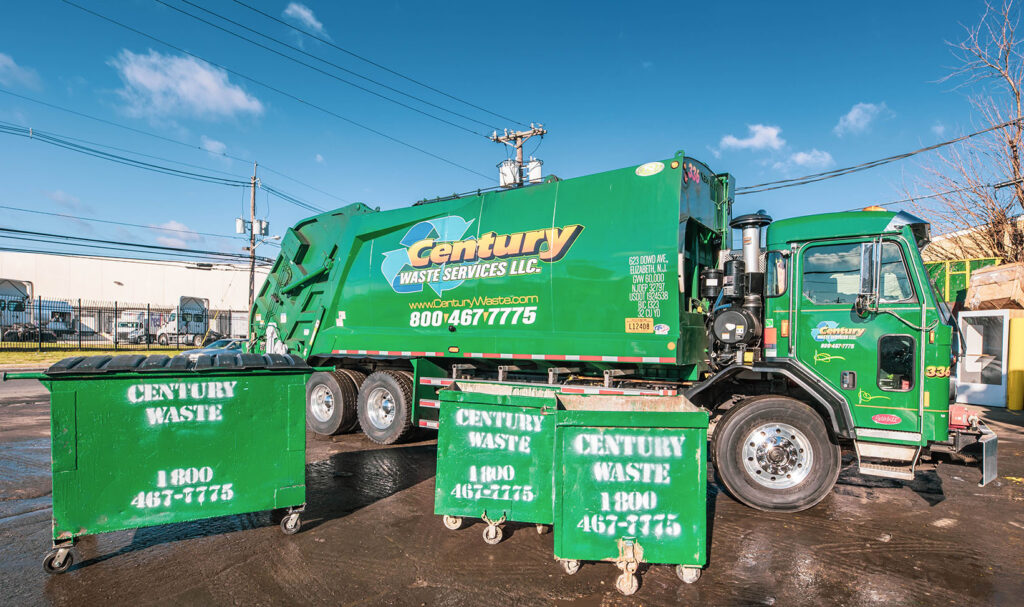
Choosing the Right Dumpster Size Can Save Time, Space and Money
Planning a renovation, construction project, demolition or major cleanout? One of the first decisions is choosing the right roll-off dumpster size.
A container that’s too small may fill before the project is finished. One that’s too large may occupy unnecessary space, especially on tighter New York City job sites.
Whether you’re renovating a Brooklyn brownstone, clearing out a New Jersey warehouse or managing construction debris on Staten Island, understanding the difference between 10-, 15-, 20- and 30-yard dumpsters can help you plan more efficiently.
Quick Tip: Dumpster Size Means Volume, Not Weight
A 20-yard dumpster holds approximately 20 cubic yards of material. That doesn’t mean every material can fill the container to the top. Heavy debris such as concrete, brick and roofing materials may reach weight limits first.
10, 15, 20 or 30 Yard Dumpster: What’s the Difference?
Roll-off dumpsters come in several sizes. The best option depends on how much debris your project will generate, the type of material and the available space for delivery.
| Size | Approximate Dimensions | Pickup Truckloads | Common Uses |
|---|---|---|---|
| 10 Yard | 14′ L x 7.5′ W x 3.5′ H | About 3 | Small bathroom renovations, minor demolition, compact cleanouts |
| 15 Yard | Varies by container model | About 4 to 5 | Basement cleanouts, garage cleanups, small renovation projects |
| 20 Yard | 22′ L x 7.5′ W x 4.5′ H | About 6 | Moderate renovations, flooring removal, commercial cleanouts |
| 30 Yard | 22′ L x 7.5′ W x 6′ H | About 9 | Large construction, demolition, warehouse and commercial cleanouts |
Dimensions and truckload estimates are approximate and vary by manufacturer and container. Available sizes depend on location and equipment availability.
Explore Century Waste’s
roll-off dumpster rental services in NYC and NJ
.
Which Roll-Off Dumpster Size Is Right for Your Project?
Consider the scope of your project before choosing a container. A small renovation with heavy debris can require a different solution than a large cleanout filled with lighter, bulky materials.
10-Yard Dumpster: Small Projects and Tight Spaces
A 10-yard dumpster provides approximately 10 cubic yards of capacity and is often a practical choice for smaller projects.
Common uses:
- Small bathroom remodels
- Minor wall removal
- Limited flooring replacement
- Small garage or basement cleanouts
- Compact renovation projects
Its smaller footprint can also be helpful when container placement space is limited.
15-Yard Dumpster: Mid-Size Cleanouts and Renovations
A 15-yard dumpster offers more room than a 10-yard container without requiring the capacity of a larger roll-off.
Common uses:
- Basement decluttering
- Garage cleanouts
- Small brownstone renovations
- Moderate furniture removal
- Small commercial property cleanups
This size can be a useful middle-ground option where available. Confirm availability with Century Waste before planning around a 15-yard container.
20-Yard Dumpster: A Versatile Renovation Option
A 20-yard dumpster is a popular general-purpose size for projects that generate a moderate amount of debris.
Common uses:
- Kitchen renovations
- Multiple-room remodels
- Flooring and drywall removal
- Office and retail cleanouts
- Moderate construction debris
It can provide a useful balance between debris capacity and placement requirements.
30-Yard Dumpster: Major Construction and Large Cleanouts
A 30-yard dumpster provides substantially more volume for projects generating large amounts of material.
Common uses:
- Major building renovations
- Large commercial cleanouts
- Construction and demolition projects
- Warehouse cleanups
- Large quantities of bulky debris
Larger dumpsters require adequate placement space and truck access. Heavy materials may also require special loading restrictions.
5 Things to Know Before Renting a Dumpster in NYC
New York City projects often have tighter placement areas and more complicated access conditions than properties with large driveways or open construction yards.
Check Street Placement and Permit Requirements
If your dumpster will occupy a public street or affect a sidewalk or other public space, determine which NYC approvals or permits apply before delivery.
Requirements can depend on the location and placement arrangement. Confirm them with the appropriate NYC authority and clarify who is responsible for obtaining approvals.
Read our
NYC dumpster permit guide for contractors
.
Make Sure the Delivery Truck Has Enough Room
The dumpster footprint is only part of the space needed. A roll-off truck must be able to approach, unload and later retrieve the container.
Some deliveries may require substantial straight-line access and overhead clearance. Do not assume a universal measurement works for every truck or site. Ask Century Waste to confirm the requirements for your delivery.
Look for Overhead Obstacles
Wires, scaffolding, awnings, tree branches, signs and other overhead structures can interfere with safe delivery.
Take photographs of the proposed placement area if you are unsure whether the truck can access it.
Know Which Materials Are Allowed
Standard construction roll-offs are not designed for every type of waste. Hazardous materials, batteries, electronics, asbestos-containing debris, certain liquids and other regulated items may require separate handling.
See our guide to
10 things you should never put in a roll-off dumpster
.
Plan the Rental Around the Work Schedule
Schedule delivery close to when debris-producing work begins. For longer projects, consider whether container exchanges will be needed.
Learn more about
how long you can keep a roll-off dumpster rental
.
What If a Full-Size Roll-Off Won’t Fit?
A smaller container or mini dumpster may be a better solution for properties with narrow access areas, limited loading space or active pedestrian and vehicle traffic.
A smaller container may require additional exchanges during a larger project, but it can help preserve valuable working space.
Compare your options in our guide:
Mini Dumpster vs. Full-Size Roll-Off
.
Why a Bigger Dumpster Doesn’t Always Mean You Can Load More Weight
Dumpster sizes are measured in cubic yards, which describes how much space is available inside the container.
Weight is a separate consideration. Heavy materials such as concrete, brick, masonry and roofing debris can reach weight limits before the container is physically full.
Tell Century Waste Exactly What You’re Throwing Away
A container for bulky furniture may require a different hauling plan from one carrying dense construction debris. Describe the material before selecting a size.
7 Questions to Answer Before Choosing a Dumpster
- What type of project are you completing?
- What materials will go into the container?
- How much debris do you expect to generate?
- Are any materials particularly heavy?
- How much space is available for the dumpster?
- How long will the project last?
- Will you need one pickup or multiple container exchanges?
Having these details ready can help Century Waste recommend an appropriate available container for your project.
For more planning tips, read our
complete dumpster size guide by project type
.