
A Reliable Dumpster Plan Helps Keep Construction Projects Moving
Construction dumpster rental is more than arranging for a container to arrive at a job site. Contractors need the right dumpster size, delivery schedule, placement area, debris plan, weight allowance, and pickup strategy to keep work moving without unnecessary delays or added costs.
A container that is too small may fill before the project reaches its next phase. A dumpster that is too large may take up valuable job-site space or cost more than necessary. Poor placement can interfere with equipment, deliveries, workers, customers, or neighboring properties.
This guide explains how contractors can plan a construction dumpster rental, select an appropriate container, prepare the site, manage different debris types, and coordinate pickups throughout a construction, renovation, roofing, demolition, or commercial improvement project.
Plan the Dumpster Before Work Begins
Include waste removal in the project schedule from the beginning. Confirm the debris type, estimated volume, container location, truck access, delivery date, pickup timing, and whether the project may require container exchanges.
Why Dumpster Planning Matters for Contractors
Construction and demolition debris can accumulate quickly. Framing, drywall, roofing, flooring, cabinets, fixtures, packaging, wood, metal, and general job-site waste can occupy more space after removal than contractors initially expect.
Without a clear dumpster plan, debris may interfere with staging areas, limit access, create safety concerns, or delay subcontractors waiting for a cleaner work area.
A well-planned construction waste program can help contractors:
- Keep work areas cleaner and easier to navigate
- Reduce loose debris around the job site
- Coordinate demolition and installation phases
- Avoid emergency hauling and last-minute container requests
- Separate recyclable or specialty materials when appropriate
- Maintain access for workers, suppliers, and equipment
- Control project waste costs more effectively
- Reduce delays caused by overflowing containers
Projects That May Require a Construction Dumpster
Roll-off dumpsters can support projects ranging from focused renovations to large commercial construction and demolition work. The correct service plan depends on project scope, materials, volume, access, and duration.
Commercial Construction
New construction projects may generate wood, drywall, packaging, fixtures, flooring, metal, and other eligible job-site debris throughout multiple phases.
Explore Construction Waste RemovalInterior Renovations
Office, retail, restaurant, apartment, hotel, and commercial renovations may require temporary containers for cabinets, flooring, drywall, fixtures, and general debris.
View Roll-Off Dumpster RentalsDemolition Projects
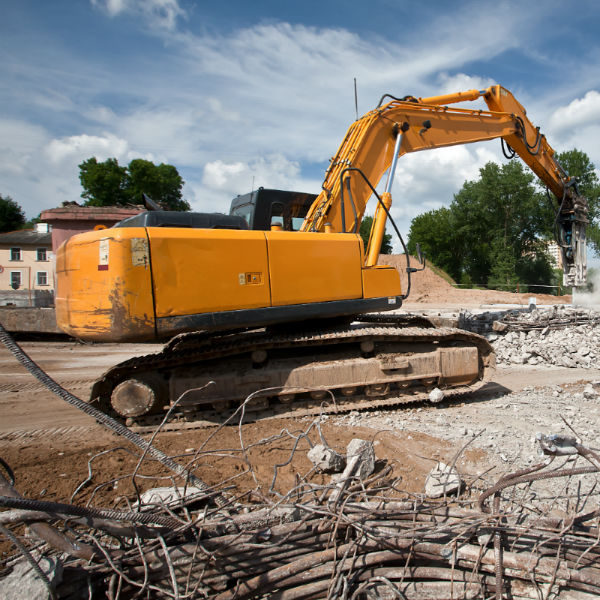
Demolition work can produce large volumes of heavy and bulky material that may require multiple containers, exchanges, and carefully planned hauling.
Learn About Demolition Waste ServiceRoofing Projects
Roofing debris can become heavy quickly. Container size, load weight, placement, and hauling frequency should be based on roof type and project square footage.
Ask About Roofing DumpstersTenant Improvements
Contractors completing office, retail, restaurant, or commercial tenant improvements may need temporary debris removal while the property remains active.
Request Tenant Improvement ServiceProperty Cleanouts
Warehouses, managed properties, apartment communities, and commercial facilities may need containers for furniture, fixtures, equipment, and accumulated debris.
Request Commercial Cleanout SupportHow Contractors Can Choose the Right Dumpster Size
Contractors should select a dumpster based on the full project scope, not only the debris visible on the first day. Removed materials can become bulky when broken apart, stacked irregularly, or mixed with packaging and cleanup waste.
Common roll-off options may include 10-yard, 20-yard, and 30-yard containers, depending on location, availability, materials, and project requirements.
Review the complete dumpster rental size guide for a more detailed comparison of common container capacities.
| Dumpster Size | Projects Contractors May Consider | Planning Notes |
|---|---|---|
| 10-Yard Dumpster | Smaller renovations, focused cleanouts, limited demolition debris, landscaping work, or sites with restricted placement space | Compact footprint, but dense materials may reach the weight allowance before the container appears full |
| 20-Yard Dumpster | Mid-sized renovations, roofing, tenant improvements, flooring removal, commercial cleanouts, and general construction debris | A versatile option for many projects when access and placement space are sufficient |
| 30-Yard Dumpster | Major renovations, commercial construction, demolition, warehouse cleanouts, bulky materials, and high-volume projects | Requires more placement and delivery space and may not be appropriate for every heavy debris load |
Volume and Weight Are Different
A large container can hold more material by volume, but it does not mean every material can be loaded to the top. Concrete, soil, brick, roofing, masonry, and other dense debris may require special limits or a separate container plan.
8 Factors Contractors Should Review Before Ordering
Providing complete project details helps the waste provider recommend an appropriate dumpster and build a more accurate service plan.
Project Scope
Explain whether the project involves new construction, demolition, renovation, roofing, tenant improvement, property cleanup, or multiple phases of work.
Debris Type
Identify the materials expected throughout the project. Wood, drywall, roofing, concrete, fixtures, flooring, metal, furniture, packaging, and specialty materials may have different handling requirements.
Estimated Debris Volume
Consider the entire project rather than the first demolition phase. Contractors should account for removed materials, packaging, damaged supplies, cleanup waste, and later project stages.
Material Weight
Dense debris can reach weight allowances quickly. Describe heavy materials before delivery so the provider can recommend the appropriate container and loading method.
Project Duration
A short cleanout may require one delivery and removal, while a multi-month project may need several exchanges, multiple containers, or service coordinated around construction phases.
Placement Space
Measure the proposed dumpster area and consider gates, fences, loading docks, equipment, trailers, parked vehicles, walkways, neighboring properties, and normal site operations.
Truck Access
The roll-off truck needs enough approach space, turning room, overhead clearance, and stable ground to deliver and retrieve the container safely.
Local Placement Requirements
Placement on a street, public area, shared access point, or restricted property may require permission, permits, scheduling, or additional coordination.
How to Prepare a Construction Site for Dumpster Delivery
Delivery planning should happen before the truck arrives. The container needs enough space for placement, loading, and future removal without interfering with other work.
Clear the Delivery Area
Remove parked vehicles, stored materials, equipment, temporary fencing, pallets, and other obstructions from the approach and placement area.
Confirm Surface Conditions
The placement surface should be stable enough to support the container, debris, and delivery process. Soft ground, recently paved surfaces, slopes, or damaged pavement may require additional planning.
Check Overhead Clearance
Look for utility lines, tree branches, awnings, scaffolding, signs, balconies, and other overhead obstructions that could interfere with delivery.
Protect Active Work Areas
Place the dumpster where crews can load it efficiently without blocking entrances, fire lanes, emergency access, loading docks, customer parking, or construction equipment.
Coordinate Access
Confirm gate codes, security procedures, delivery hours, job-site contacts, loading restrictions, and any building-management requirements before the scheduled arrival.
Leave Room for Removal
Contractors sometimes plan for initial delivery but later block the container with stored materials, equipment, or vehicles. Keep the truck approach and pickup area clear throughout the rental.
Where Should a Construction Dumpster Be Placed?
The ideal placement area balances worker convenience, safe truck access, property protection, and minimal interference with the rest of the project.
Contractors should consider:
- Distance from demolition or construction work
- Accessibility for carts, workers, and equipment
- Truck approach and turning radius
- Overhead clearance
- Surface stability
- Fire lanes and emergency access
- Customer, tenant, and employee traffic
- Loading docks and material delivery areas
- Street or municipal placement requirements
- Neighboring properties and shared driveways
A Convenient Loading Area Is Not Always a Serviceable Area
The dumpster may be close to the work zone but inaccessible to the roll-off truck. Confirm the placement area with the provider when site conditions are limited or complex.
What Can Contractors Put in a Construction Dumpster?
Accepted materials depend on the waste provider, container, disposal facility, local requirements, and whether the load contains mixed, heavy, recyclable, or regulated debris.
Common Construction and Renovation Debris
- Wood and lumber
- Drywall and plaster
- Flooring and carpeting
- Cabinets and fixtures
- Doors and trim
- Packaging and general job-site debris
- Non-hazardous cleanout materials
- Eligible roofing materials
- Metal and other recyclable materials when properly coordinated
Concrete, asphalt, soil, brick, masonry, and other heavy materials may require a separate container, lower fill level, specific size, or specialized disposal plan.
Contractors should never assume that hazardous, regulated, or specialty materials can be placed in a standard construction dumpster.
Materials That May Require Separate Handling
Some job-site materials may be prohibited from general roll-off containers or require separate review, documentation, transportation, and disposal.
Examples may include:
- Paint, solvents, and chemicals
- Liquids and fuels
- Batteries
- Electronics
- Asbestos-containing materials
- Medical or regulated waste
- Contaminated soil
- Pressurized containers
- Specialty industrial materials
- Other hazardous or restricted debris
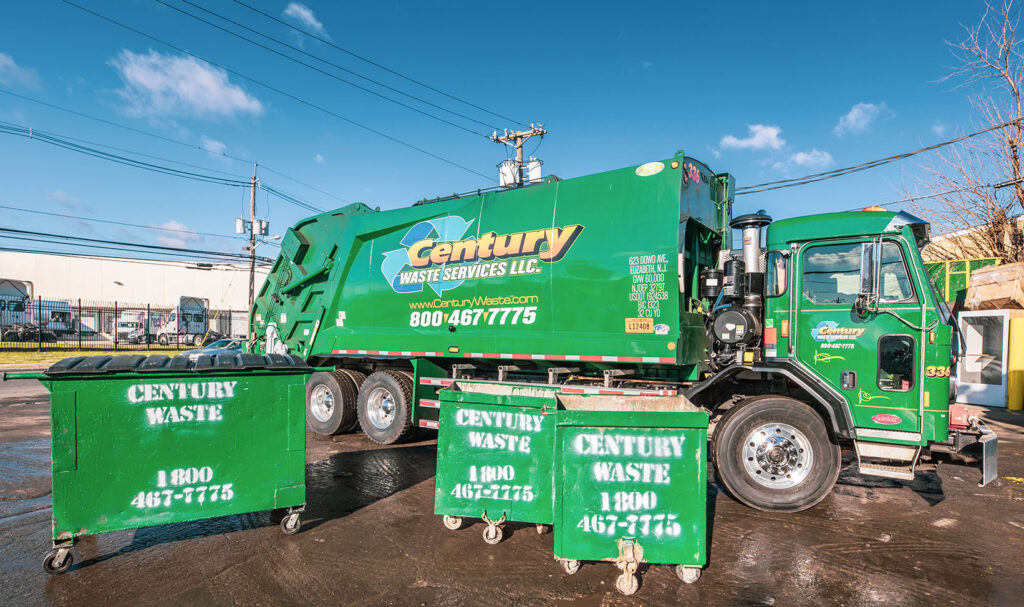
Century Waste provides specialty waste services for eligible projects that require additional handling, review, or disposal coordination.
Identify Restricted Materials Before Demolition Begins
Discovering asbestos, chemicals, regulated materials, or contaminated debris after the dumpster has been loaded can delay service and create compliance, safety, and disposal problems.
Should Contractors Separate Construction Materials?
Separating eligible construction materials may support recycling, improve waste diversion, reduce contamination, and make some project debris easier to manage.
Depending on the project and available services, contractors may consider separating:
- Clean wood
- Metal
- Cardboard and packaging
- Concrete and masonry
- Roofing materials
- General mixed construction debris
- Regulated or specialty waste
Material separation should be planned before containers arrive. Contractors need enough space, clear labeling, crew instructions, and appropriate hauling for each waste stream.
Learn more about commercial recycling and waste-diversion services.
Separate Containers Only Work When the Crew Uses Them Correctly
Place containers where workers can access them easily, label each waste stream clearly, and review accepted materials with subcontractors before work begins.
Construction Dumpster Loading Best Practices
Proper loading helps contractors use container space efficiently while reducing transportation, safety, and pickup problems.
Distribute Weight Evenly
Avoid placing all heavy debris on one side or in one concentrated area. Uneven loading can affect safe handling and transportation.
Break Down Bulky Materials
Flatten boxes and break down eligible cabinets, fixtures, wood, and other bulky materials when it can be done safely. This may help reduce unused air space.
Load Heavy Materials Carefully
Follow the provider’s instructions for concrete, soil, brick, roofing, masonry, and other dense debris. These materials may have specific fill limits.
Keep Debris Below the Fill Line
Materials should not extend above the top edge or hang over the sides. An overloaded container may be unsafe to transport and may not be removed until corrected.
Keep the Door Closed Before Pickup
If the dumpster includes a rear loading door, make sure it can be closed and secured before removal. Do not allow debris to block or extend through the opening.
Prevent Unauthorized Dumping
Open construction dumpsters may attract unauthorized waste. Consider placement, site security, covers, signage, or controlled access when the container is exposed to the public.
How Contractors Should Schedule Dumpster Pickups
Dumpster service should align with the construction schedule. Contractors should estimate when each container will fill and arrange removal or exchange before debris begins interfering with work.
Schedule Around Project Phases
Demolition, framing, roofing, interior buildout, and final cleanup may generate different materials and volumes. The project may need different containers or hauling frequencies during each phase.
Do Not Wait Until the Container Is Overflowing
Contact the provider before the dumpster reaches its permitted fill level. Scheduling availability may vary, especially during high-demand periods.
Coordinate Exchanges
For active projects, a full container may need to be exchanged for an empty one. Confirm where the new container will be placed and make sure the service area remains accessible.
Plan Final Removal
Include the final dumpster pickup in the project closeout schedule. Remove equipment, vehicles, fencing, and stored materials that may block access.
Build Hauling Into the Construction Schedule
Treat dumpster delivery, exchanges, and final removal like material deliveries or subcontractor milestones. Early coordination can reduce downtime and last-minute service problems.
What Affects Construction Dumpster Rental Pricing?
Construction dumpster pricing depends on the container, project, materials, service location, and hauling requirements. Contractors should request a quote that clearly explains what is included and which situations may create additional charges.
Pricing factors may include:
- Dumpster size
- Rental period
- Delivery and pickup location
- Debris type
- Included disposal weight
- Additional tonnage
- Container exchanges
- Extended rental time
- Site access
- Fuel, transportation, or disposal fees
- Contamination or prohibited materials
- Specialty handling requirements
Contractors comparing waste service costs can also review the commercial waste management cost guide.
Compare the Total Project Cost
A smaller dumpster may have a lower initial rate but become more expensive if it requires several exchanges. A larger container may reduce hauls but may not be appropriate for heavy debris or limited placement areas.
Common Construction Dumpster Rental Mistakes
Ordering the Dumpster Too Late
Waiting until demolition begins can leave crews without an organized disposal area. Reserve the container early enough to coordinate access and placement.
Choosing a Size Based Only on Price
The lowest-priced container may not provide enough capacity. Compare the expected total cost, including possible exchanges and additional hauling.
Failing to Describe the Materials
The provider needs to know whether the load will include roofing, concrete, soil, demolition debris, mixed construction waste, or specialty materials.
Ignoring Truck Access
A dumpster may fit in the proposed space while the delivery vehicle cannot safely approach, unload, or retrieve it.
Overloading the Container
Debris above the fill line, materials hanging over the sides, or excessive weight may prevent pickup and create added labor or hauling costs.
Blocking the Dumpster Before Pickup
Equipment, vehicles, stored materials, fencing, and construction activity can prevent the truck from reaching the container.
Mixing Prohibited Materials
Restricted or regulated waste can contaminate the load, delay disposal, and create safety or compliance concerns.
Failing to Plan Container Exchanges
High-volume projects may require several hauls. Contractors should estimate exchange timing before the container becomes completely full.
Do Contractors Need a Roll-Off or Front Load Dumpster?
A roll-off dumpster is generally the appropriate option for temporary construction, renovation, demolition, roofing, and cleanout debris.
A front load dumpster is designed for recurring commercial garbage collection and typically remains at a business or property for scheduled weekly service.
Contractors working at active commercial properties may need both. The property can continue using front load service for routine operating waste while the construction crew uses a separate roll-off dumpster for project debris.
Review the complete roll-off dumpster vs. front load dumpster guide for a detailed comparison.
Construction Dumpster Rental Checklist for Contractors
Use this checklist before confirming a dumpster rental:
- Define the full project scope
- List all expected debris materials
- Estimate volume for each construction phase
- Identify dense, heavy, regulated, or restricted materials
- Select the likely dumpster size
- Confirm the rental period
- Estimate the number of container exchanges
- Measure the placement area
- Confirm truck approach and turning room
- Check overhead clearance
- Review surface conditions
- Confirm permits or property approvals
- Coordinate gate access and delivery hours
- Assign a job-site contact
- Review loading limits with crews and subcontractors
- Keep the pickup area clear
- Schedule removal before project closeout
Construction Dumpster Rental Across New Jersey and NYC
Construction sites across New Jersey and New York City can have very different access, placement, traffic, scheduling, and disposal requirements.
Dense urban projects may require careful coordination around street access, loading zones, neighboring properties, delivery hours, and limited placement space. Larger commercial and industrial sites may require multiple containers, recurring exchanges, and coordinated construction debris removal.
Contractors can explore construction dumpster rental and waste removal in New Jersey or review dumpster rental and construction waste services in New York City.
Build a Construction Waste Plan Around Your Project
Century Waste helps contractors, construction companies, developers, property managers, and facility teams coordinate dumpster delivery, container exchanges, construction debris removal, recycling, and specialty hauling.
The team can review the project scope, debris types, estimated volume, material weight, placement area, truck access, project schedule, and service location before recommending an appropriate container plan.
Available solutions include roll-off dumpster rentals, construction and demolition waste removal, commercial recycling services, recurring commercial waste collection, and specialty waste support.
Construction Dumpster Rental FAQs
Find answers to common contractor questions about construction dumpster sizes, placement, loading, debris, pricing, and scheduling.
What size construction dumpster does my project need?
The correct size depends on the project scope, debris volume, material type, material weight, available placement space, project duration, and expected number of hauls. Share the complete project details with the provider before ordering.
What dumpster size is commonly used for construction debris?
Contractors may consider 10-yard, 20-yard, or 30-yard dumpsters depending on the project. A 20-yard container may work for many renovations, while larger commercial projects may require a 30-yard dumpster or multiple containers. Heavy debris may require different limits.
Can concrete and soil go in a construction dumpster?
Concrete, soil, brick, asphalt, and masonry may require a specific container, loading limit, or disposal plan because of their weight. Contractors should describe these materials before delivery.
Can roofing materials go in a roll-off dumpster?
Eligible roofing materials may be accepted, but roofing debris can become heavy quickly. Container size and loading limits should be based on the roof type, project square footage, and disposal requirements.
How far in advance should contractors order a dumpster?
Contractors should arrange service early enough to confirm availability, permits, site access, placement, and delivery timing before demolition or debris-producing work begins.
Can a construction dumpster be placed on the street?
Street placement may require municipal permission, a permit, traffic coordination, or other local approval. Requirements vary by location, so contractors should confirm them before delivery.
Can a dumpster be filled above the top?
No. Debris should remain within the permitted fill line and should not extend above the container walls or hang over the sides. An overloaded dumpster may not be safe to transport.
What happens when a construction dumpster is full?
The contractor can schedule removal or request a container exchange if the project is continuing. The pickup area must remain accessible, and the load must meet transportation and material requirements.
Does Century Waste provide construction dumpster rentals in New Jersey and NYC?
Century Waste provides roll-off dumpster rentals, construction and demolition debris removal, recycling, and specialty waste support for eligible projects throughout New Jersey and New York City. Availability depends on location, materials, access, container requirements, and schedule.
Need a Construction Dumpster for Your Next Project?
Tell Century Waste about your job site, project scope, debris materials, estimated volume, container placement area, access requirements, and schedule. Our team can help contractors build a practical dumpster and construction waste removal plan.